
Live resin extraction has emerged as a game-changer in the cannabis industry, offering a purer and more potent form of concentrated cannabinoids compared to traditional methods. As demand for high-quality, natural products continues to rise, understanding the live resin extraction process becomes paramount for cultivators, extractors, and enthusiasts alike. This comprehensive guide delves into the intricate steps involved in obtaining this precious substance from cannabis plants, highlighting the science behind it and the benefits of using live resin naturally in various applications. By the end, readers will grasp the intricacies of this advanced technique, empowering them to make informed decisions in the ever-evolving cannabis landscape.
- Understanding Live Resin: The Natural Process
- Equipment and Safety: Setting Up for Extraction
- Step-by-Step Guide: Harvesting and Preserving Live Resin
Understanding Live Resin: The Natural Process

Live resin, a substance derived from plants, has gained significant attention for its potent and flavorful properties, often surpassing traditional extracts like resin vs live resin. This natural process involves capturing the essence of a plant at its most vibrant, preserving a live sample that retains unique aromatic and therapeutic qualities. Unlike concentrated forms, live resin naturally includes essential oils, terpenes, and other volatile compounds, making it highly sought after by connoisseurs. The extraction method plays a crucial role in maintaining these delicate components, which evaporate quickly when exposed to heat or oxygen.
The journey begins with selecting the right strain, as top live resin strains like Blue Dream, OG Kush, and Super Silver are renowned for their robust flavors and effects. Once chosen, the plant material undergoes careful preparation, ensuring optimal extraction conditions. This involves grinding the herbs finely and placing them in a specialized vessel under controlled temperature and pressure settings. Through this process, the live resin naturally separates from the plant matter, yielding a viscous liquid treasure trove of plant compounds. The key lies in maintaining a precise balance; too much heat can destroy the delicate terpenes, while insufficient pressure may not extract enough resin.
As an example, a study by the Journal of Agricultural and Food Chemistry found that live resin extracted at lower temperatures retains higher levels of beneficial terpenes compared to concentrated forms. This highlights the significance of understanding live resin naturally, ensuring its integrity remains intact for consumers. For those looking to delve deeper, contacting experts like (437) 855-2823 can provide valuable insights and guidance on navigating this intricate world, where every detail contributes to a superior experience.
Equipment and Safety: Setting Up for Extraction
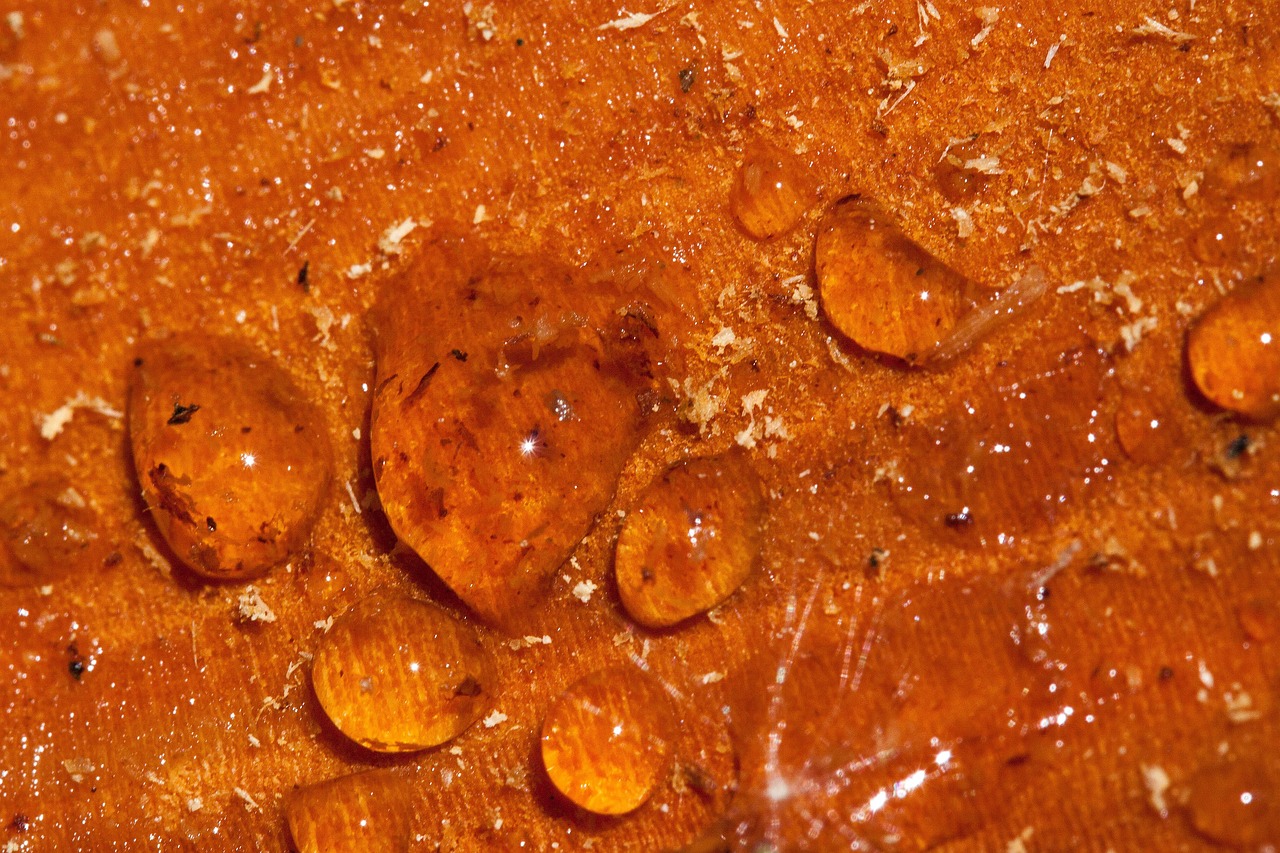
Live resin extraction is an art that requires meticulous attention to detail and a robust understanding of the process. Before diving into the intricate steps of live resin production methods, establishing a safe and efficient workspace is paramount. This involves acquiring the necessary equipment and prioritizing safety measures—a crucial foundation for successful live resin extraction at home or in a professional setting.
The equipment required for live resin extraction includes specialized glassware such as extraction containers, collection vials, and distillation apparatus. Additionally, you'll need heating elements (e.g., hot plates or heating coils) to control temperature during the extraction process, as well as cooling mechanisms like chillers or ice baths to condense the live resin. For a DIY approach, consider making live resin at home using accessible materials; however, ensure that all components meet food-grade standards to maintain purity and safety. Tree Huggerz, a leading eco-conscious brand, offers high-quality equipment designed with sustainability in mind, catering to both novice and experienced extractors.
Safety is paramount during live resin production. Always wear protective gear, including gloves, goggles, and lab coats, to shield against potential hazards like chemical burns or inhalation of volatile compounds. Ensure adequate ventilation to prevent the buildup of potent fumes and maintain a clean workspace to minimize contamination risks. Proper storage practices are equally vital; store extracted live resin in airtight containers at controlled temperatures to preserve its potency and quality. This could involve refrigerating or freezing, depending on your climate and desired shelf life.
Step-by-Step Guide: Harvesting and Preserving Live Resin
The process of harvesting and preserving live resin is an art that requires precision and an understanding of the plant's natural rhythms. Live resin, naturally occurring resin, is the unprocessed sap extracted from cannabis plants. It differs from distillate resin, as it captures the plant's volatile terpenes and cannabinoids in their raw, unheated form. This step-by-step guide delves into the intricacies of this process, offering valuable insights for both cultivators and consumers curious about the world of live resin.
To begin, timing is everything. Harvesting live resin should occur when the plant is in its optimal state, typically during peak flowering. This ensures the highest concentration of desired compounds. Cultivators should closely monitor the plant's health, looking for signs of maturity and aromatic complexity. Once ready, the process starts with carefully cutting or harvesting the cannabis plant, ensuring minimal damage to the resin glands. After harvesting, the fresh resin is carefully expressed or strained to collect the viscous substance. This step is crucial as it determines the quality and purity of the final product.
Proper preservation is key to maintaining the integrity of live resin. Following extraction, the resin should be stored in airtight containers, ideally made of glass or stainless steel, to prevent oxidation and contamination. Many experts recommend storing live resin in cold environments, such as a refrigerator or freezer, to slow down degradation. For those interested in buying live resin, understanding the source and preservation methods is essential. Always opt for reputable suppliers who can provide details about their extraction equipment and preservation practices. For instance, some live resin extraction equipment includes specialized presses and filters, ensuring a clean and efficient process. Contacting suppliers directly, such as (437) 855-2823, can offer valuable insights into their live resin products and their commitment to quality.
By following the comprehensive guide provided, you now possess the knowledge to master the art of live resin extraction, understanding the natural process and its significance. This intricate procedure, when executed with the proper equipment and safety precautions, ensures the preservation of the plant's unique compounds. Through each step, from harvesting to responsible preservation, you've learned the secrets to capturing the essence of live resin naturally. This powerful extract opens doors to innovative applications in various industries, empowering you to contribute to the advancement of natural product utilization. With this newfound expertise, the possibilities for exploration and innovation are endless.
Live Resin Extraction & Preservation: A Comprehensive Guide
Live resin, a potent cannabis extract, is derived from unprocessed plant sap. Its key advantages over distillate resin lie in preserving volatile terpenes and cannabinoids in their raw form. The process involves meticulous harvesting during peak flowering, careful expression or straining, and optimal preservation through airtight containers and cold storage.
Key Insights:
- Timing: Harvest during peak flowering for optimal compound concentration.
- Preservation: Store live resin in airtight containers, preferably glass or stainless steel, in cool environments to prevent oxidation and degradation.
- Equipment: Specialized presses, filters, and extraction vessels ensure clean and efficient processes.
- Safety & Quality: Prioritize safety with protective gear, ventilation, and contamination control during extraction. Choose reputable suppliers with detailed preservation practices.